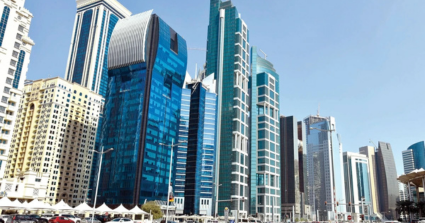
The Ministry of Municipality strengthens the circular economy through an integrated waste management system that converts waste into clean energy, supporting environmental sustainability in Qatar.
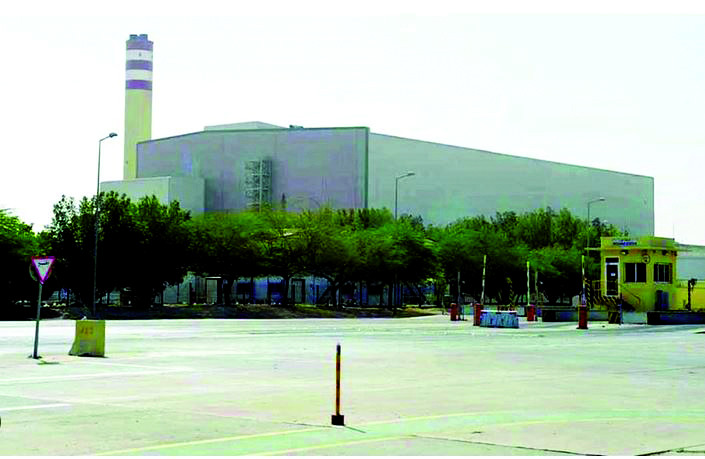

The Ministry of Municipality has achieved notable progress in advancing its waste management and circular economy agenda, in line with Qatar National Vision 2030 and the Third National Development Strategy (2024–2030). The Integrated National Solid Waste Management Program stands as a key pillar of these efforts, aiming to develop a comprehensive system for waste collection, transportation to engineered landfills, and the rehabilitation of old disposal sites to ensure sustainable waste management.
Among the major initiatives is the waste segregation at source program, under which approximately 80% of homes in Doha have been equipped with dedicated bins to separate recyclable materials from organic waste. The ministry plans to gradually expand the program to other municipalities by 2027, enhancing community participation and increasing recycling rates.
In addition, the Mesaieed Solid Waste Management Facility plays a central role in the system, processing around 828,000 tons of household waste annually. The facility converts waste into clean energy, generating approximately 277,000 megawatt-hours, and produces more than 40,000 tons of fertilizer from organic and green waste, supporting environmental sustainability goals.
website.related_news
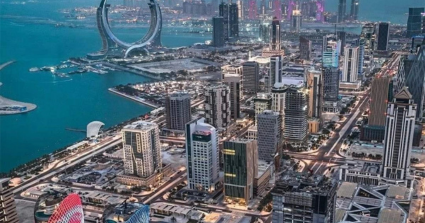
Qatar’s real estate transactions exceeded QAR 4.9 billion in Q3 2026, with a total of 1,404 deals.
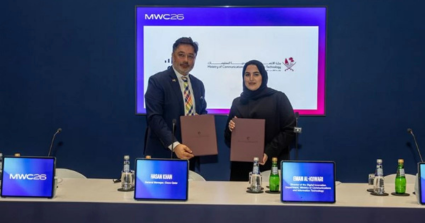
Qatar’s Ministry of Communications and Cisco are partnering to develop advanced digital solutions and expand AI applications across key sectors, supporting a competitive digital economy driven by knowledge and innovation.